
On-Site Shredding in Vancouver: What Businesses Should Expect from Collection to Destruction


Businesses handle confidential paperwork every day. Employee files, customer details, financial statements, and signed agreements all need careful disposal. A planned shredding appointment helps protect information and limits disruption. Preparation also gives staff clear instructions about what can leave the office.
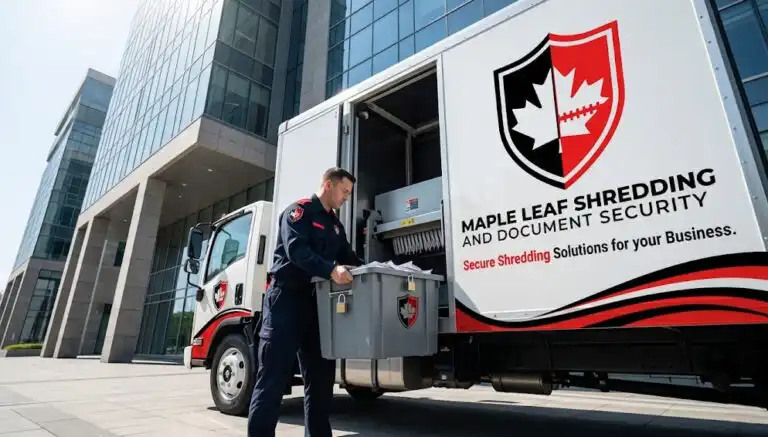
Maple Leaf Shredding provides mobile destruction and recurring collection options. Before booking, confirm how the service works at your premises. Discuss document approval, secure storage, access, handling, and completion records. These details help your business establish a consistent disposal routine.
Understand What the On-Site Service Includes
Businesses booking on-site shredding Vancouver appointments should confirm the service scope. Ask where destruction happens, which materials are accepted, and whether employees can observe. Check whether the quotation covers containers, internal collection, and additional handling.
Explain where paperwork is stored. Mention separate departments, restricted rooms, or long collection routes. Clear information helps the provider plan the visit and identify preparation requirements.
Ask how pricing is calculated. Clarify minimum charges, estimated quantities, and potential fees for difficult access. Confirm the cancellation or rescheduling procedure so your team understands the booking terms before committing to an appointment.
Destruction at Your Business Location
Confirm the truck’s proposed position. Check parking permissions, loading restrictions, and building rules before the appointment. Share any access concerns with the provider early.
Observing the Destruction Process
Ask how witnessing works. Choose an available employee and confirm the permitted observation area. Staff must follow safety instructions around operating equipment.
Review and Approve Records Before Collection
Only release records approved for destruction. The collection team cannot decide whether contracts, accounting documents, or unresolved files remain necessary. Your business must complete those decisions beforehand.
Check the retention requirements that apply to each document category. Ask the responsible manager or adviser about uncertain records. Avoid applying one disposal date across every department.
Use a simple approval process:
- Separate active records from disposal candidates.
- Identify files requiring continued retention.
- Refer uncertain documents for review.
- Record approval before releasing paperwork.
- Keep retained originals away from collection areas.
Assigning Responsibility for Approval
Appoint someone with authority to approve disposal. Larger workplaces may need departmental signoff before the central contact releases material. Make responsibilities clear before collection day.
Protecting Documents Still Needed
Move retained files to a separate location. Label them clearly and maintain normal access controls. Keep records concerning ongoing matters outside the approved collection.
Prepare Containers and Keep Paperwork Secure
Store approved documents in a controlled area until collection. Avoid public reception spaces, shared corridors, and unlocked rooms. Employees should distinguish confidential disposal from ordinary recycling.
For recurring service, ask about lockable consoles or collection bins. Confirm available sizes, placement, and access arrangements. Give staff clear instructions about accepted contents.
When comparing document shredding Vancouver options, check preparation rules. Ask about staples, clips, folders, binders, and other accessories. Identify electronic storage devices separately. Include them only after confirming an appropriate service.
Give temporary staff the same disposal instructions as permanent employees. Place concise guidance near collection points. A shared routine reduces confusion when teams reorganize storage, clear desks, or prepare older records for approved destruction.
Packing Boxes for an Occasional Collection
Use manageable containers and avoid excessive weight. Ask whether particular boxes, lids, or bags are preferred. Mention stairs or difficult handling routes when discussing preparation.
Managing Material Between Recurring Visits
Monitor container capacity. Give staff a contact for overflow concerns. Sensitive paperwork should remain protected when bins fill before the next scheduled visit.
Coordinate Access and the Collection Visit
Discuss vehicle access, elevators, stairs, and loading restrictions. Explain the distance between stored documents and the truck. Shared buildings may require management approval or reserved loading space.
Nominate one staff contact who understands the booking. This person should identify approved material and resolve practical questions. Brief a replacement if the usual contact becomes unavailable.
Businesses arranging purge shredding services should update their volume estimates. Larger cleanouts may need extra staging or handling. Confirm any quotation changes before releasing unexpected boxes.
Preparing Shared Building Access
Reserve service elevators where required. Confirm entry permissions and loading procedures. Give the provider and building contact matching instructions to prevent delays or confusion.
Confirming the Materials Being Released
Identify approved containers when the team arrives. Keep nearby deliveries, retained files, and unreviewed paperwork separate. Pause collection if a container’s approval remains uncertain.
Follow the Handling and Destruction Process
Understand how paperwork moves from storage to processing. Ask who handles it and how the appointment is recorded. Confirm how the team controls material during transfer.
Chain of custody describes documented handling through disposal. Ask which records the provider maintains. Match those procedures to your organization’s requirements before collection begins.
Witnessing offers direct observation, but internal records still matter. Keep approval details and appointment information together. Follow operating instructions and raise concerns before processing. Destroyed documents cannot be recovered for further review.
Witnessing Without Disrupting Operations
Agree on an observation position and appoint an attendee. Confirm what they can see. Direct questions through the designated contact and keep operating areas clear.
Recording the Completed Collection
Record the date, responsible contact, and document categories released. Include relevant approval references. Avoid copying unnecessary confidential details into the disposal log. Store this record where authorized staff can retrieve it when reviewing previous collections or planning future appointments.
Keep Documentation and Review the Service Arrangement
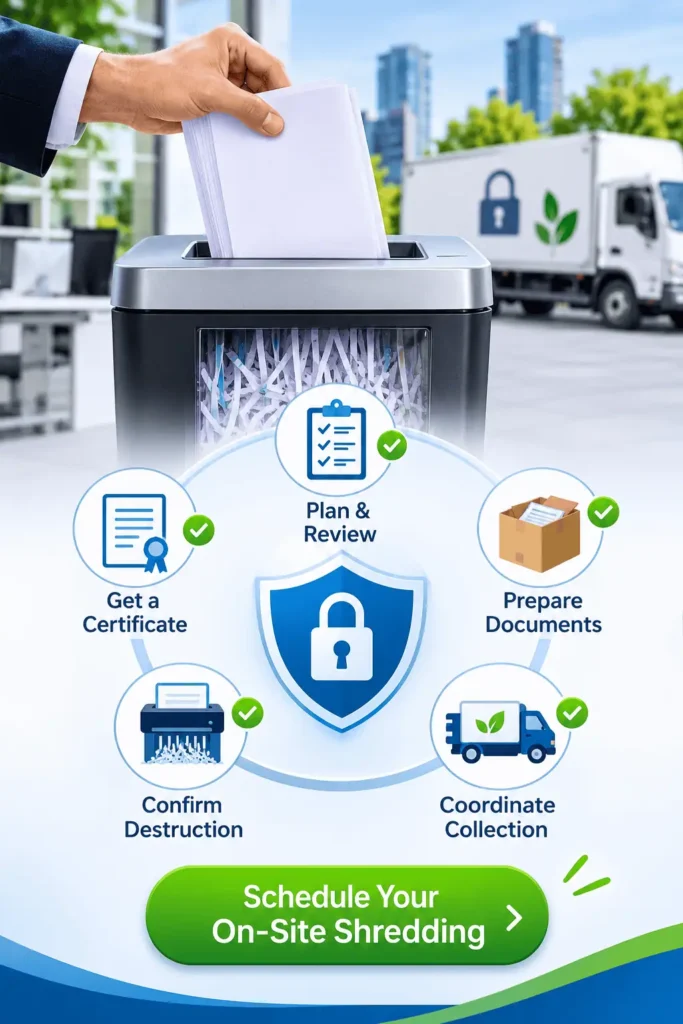
Confirm what completion documents you will receive. Ask whether a certificate of destruction is included and when it arrives. Check that its details match the agreed service.
File the certificate with the quotation, invoice, and disposal authorization. It records service completion but does not replace retention review. Ask how shredded paper is recycled and how separately collected materials are handled.
After the appointment, confirm all approved containers were serviced. Resolve quantity or billing discrepancies promptly. Review access, staging, and staff coordination. Adjust collection frequency when document volumes change. A consistent process helps future visits run smoothly and gives your business an accessible record of each collection.
Also read: